Car Accidents: Causes, Consequences, and What to Do After a Crash
Car Accidents
Car accidents are among the leading causes of injuries and fatalities worldwide. Every day, thousands of drivers, passengers, cyclists, and pedestrians are involved in traffic collisions that can result in serious physical, emotional, and financial consequences. While advances in vehicle safety technology have helped reduce the severity of many crashes, car accidents continue to pose significant risks on the road.
Understanding the common causes of car accidents, the potential consequences, and the steps to take after a collision can help drivers stay safer and protect their legal rights. Whether you have recently been involved in an accident or simply want to learn more about road safety, this guide provides valuable information about car accidents and their impact.
What Is a Car Accident?
A car accident, also known as a motor vehicle accident or traffic collision, occurs when a vehicle collides with another vehicle, pedestrian, cyclist, animal, or stationary object. Accidents can range from minor fender-benders to catastrophic crashes that result in severe injuries or fatalities.
Car accidents often happen unexpectedly and can affect individuals physically, emotionally, and financially. Depending on the circumstances, victims may face medical expenses, vehicle repair costs, lost income, and long-term recovery challenges.
Common Causes of Car Accidents
Most car accidents are preventable and occur due to human error. Understanding the primary causes can help drivers make safer decisions behind the wheel.
Distracted Driving
Distracted driving is one of the most common causes of accidents. Activities that divert attention from driving include:
- Texting while driving
- Using mobile phones
- Eating or drinking
- Adjusting navigation systems
- Talking to passengers
Even a few seconds of distraction can significantly increase the risk of a crash.
Speeding
Driving above the posted speed limit reduces reaction time and increases stopping distance. Speeding also makes accidents more severe because of the greater force involved during impact.
Drunk Driving
Driving under the influence of alcohol or drugs impairs judgment, coordination, and reaction time. Impaired drivers are more likely to cause serious or fatal accidents.
Reckless Driving
Aggressive behaviors such as tailgating, weaving through traffic, running red lights, and ignoring traffic laws can lead to dangerous collisions.
Weather Conditions
Rain, fog, snow, and ice can create hazardous driving conditions. Reduced visibility and slippery roads increase the likelihood of accidents.
Driver Fatigue
Drowsy driving can be just as dangerous as impaired driving. Fatigued drivers may experience slower reaction times, poor decision-making, and even fall asleep at the wheel.
Types of Car Accidents
Different types of collisions can result in varying degrees of damage and injury.
Rear-End Collisions
Rear-end accidents occur when one vehicle strikes the back of another. These crashes are often caused by distracted driving or following too closely.
Head-On Collisions
Head-on collisions are among the most dangerous accidents because both vehicles are often traveling toward each other at high speeds.
Side-Impact Accidents
Also known as T-bone accidents, side-impact collisions commonly occur at intersections when one driver fails to yield the right of way.
Multi-Vehicle Accidents
Chain-reaction crashes involving multiple vehicles can be complex and may result in significant property damage and injuries.
Rollover Accidents
SUVs, trucks, and vehicles with higher centers of gravity are more susceptible to rollover accidents, particularly during high-speed maneuvers.
Common Injuries Caused by Car Accidents
The severity of injuries varies depending on the speed, angle of impact, and safety features involved.
Whiplash
Whiplash is a neck injury caused by the rapid back-and-forth movement of the head during a collision.
Broken Bones
The force of impact can cause fractures in the arms, legs, ribs, and other parts of the body.
Traumatic Brain Injuries
Head injuries can range from mild concussions to severe traumatic brain injuries that require extensive medical treatment.
Spinal Cord Injuries
Damage to the spinal cord can result in chronic pain, mobility limitations, or paralysis.
Internal Injuries
Internal bleeding and organ damage may not be immediately visible but can be life-threatening if left untreated.
Emotional and Financial Impact of Car Accidents
Beyond physical injuries, car accidents often create emotional and financial challenges.
Emotional Trauma
Many accident victims experience:
- Anxiety
- Depression
- Post-traumatic stress disorder (PTSD)
- Fear of driving
Mental health recovery can take months or even years following a serious collision.
Financial Burdens
Car accidents frequently lead to significant expenses, including:
- Medical bills
- Rehabilitation costs
- Vehicle repairs
- Lost wages
- Future medical care
For many families, these costs can create substantial financial stress.
What to Do Immediately After a Car Accident
Knowing what steps to take after an accident can protect your health and strengthen any future insurance or legal claims.
Check for Injuries
The first priority should always be safety. Check yourself and others for injuries and call emergency services if necessary.
Move to a Safe Location
If possible, move vehicles out of traffic to reduce the risk of additional accidents.
Contact Law Enforcement
A police report can provide important documentation regarding the circumstances of the accident.
Exchange Information
Gather the following information from all involved parties:
- Names
- Contact information
- Driver’s license numbers
- Insurance details
- Vehicle registration information
- Document the Scene
Take photographs of:
- Vehicle damage
- Road conditions
- Traffic signs
- Skid marks
- Visible injuries
Photographic evidence can be valuable later.
Seek Medical Attention
Even if injuries appear minor, a medical evaluation can identify hidden injuries and create important medical records.
Understanding Insurance Claims After a Car Accident
Insurance plays a major role in recovering compensation after a collision.
Filing a Claim
Victims typically file claims with their insurance company or the at-fault driver’s insurer. Accurate documentation and timely reporting are essential.
Insurance Investigations
Insurance companies may investigate:
- Accident reports
- Medical records
- Witness statements
- Vehicle damage assessments
Their goal is often to determine liability and estimate damages.
Settlement Negotiations
Insurance companies may offer settlements to resolve claims. However, accident victims should carefully review any offer before accepting it, especially when injuries require ongoing treatment.
When Legal Assistance May Be Necessary
While minor accidents may be resolved through insurance claims, some situations benefit from legal guidance.
You may want to consult a qualified attorney if:
- Serious injuries are involved
- Liability is disputed
- Insurance companies deny claims
- Settlement offers appear inadequate
- Multiple parties are involved
Legal professionals can help evaluate claims and protect accident victims’ rights.
How to Prevent Car Accidents
Although not all accidents are avoidable, drivers can reduce risks by following safe driving practices.
Stay Focused
Avoid distractions and keep your attention on the road at all times.
Follow Speed Limits
Driving at safe speeds allows more time to react to changing road conditions.
Never Drive Impaired
Avoid driving under the influence of alcohol, drugs, or medications that impair judgment.
Maintain Your Vehicle
Regular vehicle maintenance helps ensure:
- Proper tire performance
- Functional brakes
- Reliable steering
- Working lights and signals
- Practice Defensive Driving
Defensive driving techniques help drivers anticipate and respond to potential hazards.
Importance of Road Safety Awareness
Road safety is a shared responsibility. Drivers, passengers, cyclists, pedestrians, and government agencies all play important roles in reducing accidents and improving roadway safety.
Public awareness campaigns, driver education programs, improved vehicle technology, and stricter traffic law enforcement continue to contribute to safer roads. However, individual responsibility remains one of the most effective ways to prevent accidents.
By making safe driving choices, individuals can help protect themselves and others from preventable injuries and fatalities.
Remember:
Car accidents can have life-changing consequences, affecting victims physically, emotionally, and financially. Understanding the common causes of collisions, recognizing the importance of road safety, and knowing what steps to take after an accident can help individuals better protect themselves and their loved ones.
Whether dealing with a minor collision or a serious crash, prompt medical attention, proper documentation, and informed decision-making are essential. By staying vigilant, practicing defensive driving, and following traffic laws, drivers can reduce the risk of accidents and contribute to safer roads for everyone.
Get a Car Accident Lawyer, click HERE
Related Posts
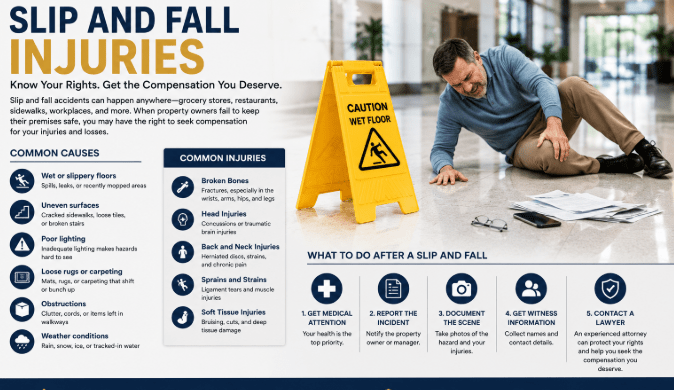
Slip and Fall Injuries
Slip and Fall Injuries: Causes, Compensation, and Your Legal Rights…
Motorcycle Accidents
Motorcycle Accidents: Causes, Injuries, Legal Rights, and How to Protect…
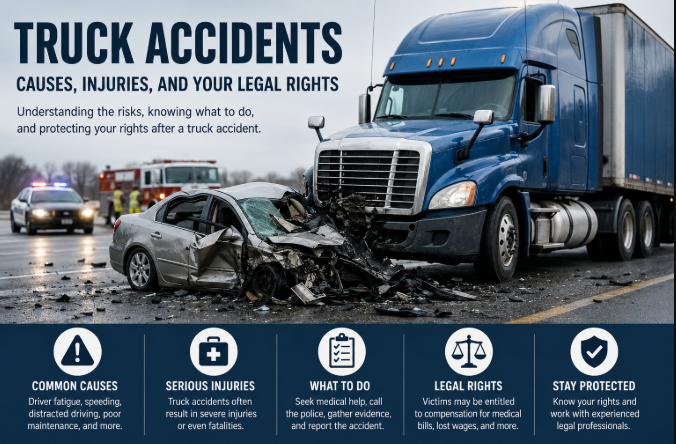
Truck Accidents
Truck Accidents: Understanding the Causes, Consequences, and Legal Considerations Truck…