Motorcycle Accidents: Causes, Injuries, Legal Rights, and How to Protect Yourself
Motorcycle Accidents
Motorcycle accidents are among the most serious traffic collisions on today’s roads. Unlike drivers and passengers in cars, motorcyclists have limited protection during a crash, making them more vulnerable to severe injuries and fatalities. Even a relatively minor collision can result in life-changing consequences, including extensive medical treatment, lost income, and long-term physical challenges.
Understanding the causes of motorcycle accidents, common injuries, safety precautions, and legal options can help riders protect themselves and make informed decisions after an accident. Whether you are a motorcycle enthusiast, a daily commuter, or someone seeking information after a crash, this comprehensive guide provides valuable insights into motorcycle accidents and their impact.
What Is a Motorcycle Accident?
A motorcycle accident occurs when a motorcycle collides with another vehicle, pedestrian, cyclist, roadway hazard, or stationary object. Because motorcycles lack the structural protection found in passenger vehicles, riders often absorb the full force of an impact.
Motorcycle accidents can happen in urban areas, highways, rural roads, intersections, and parking lots. While some crashes result from rider error, many occur because other motorists fail to see motorcycles or misjudge their speed and distance.
Why Motorcycle Accidents Are More Dangerous
Motorcycle accidents tend to result in more severe injuries than car accidents due to several factors.
Limited Physical Protection
Unlike passenger vehicles equipped with airbags, seat belts, and reinforced frames, motorcycles provide little protection during a collision.
Increased Exposure
Motorcyclists are directly exposed to the road, surrounding vehicles, and environmental hazards.
Visibility Challenges
Motorcycles are smaller than most vehicles, making them harder for other drivers to notice, particularly in blind spots.
Ejection Risks
In many motorcycle accidents, riders are thrown from their bikes, increasing the likelihood of serious injuries.
READ ALSO: Truck accidents
Common Causes of Motorcycle Accidents
Understanding the leading causes of motorcycle crashes can help riders and drivers reduce risks on the road.
Distracted Driving
Distracted driving remains one of the leading causes of motorcycle accidents. Drivers using smartphones, adjusting navigation systems, or engaging in other distractions may fail to notice nearby motorcycles.
Left-Turn Accidents
Many motorcycle crashes occur when a vehicle makes a left turn in front of an oncoming motorcycle. Drivers often misjudge the motorcycle’s speed or fail to see it altogether.
Speeding
Excessive speed reduces reaction time and increases the severity of collisions. Both motorcyclists and other drivers can contribute to accidents by speeding.
Driving Under the Influence
Alcohol and drug impairment significantly affect judgment, coordination, and reaction times, increasing the likelihood of serious accidents.
Unsafe Lane Changes
Drivers who fail to check blind spots before changing lanes may collide with motorcycles traveling alongside them.
Road Hazards
Motorcycles are particularly vulnerable to:
- Potholes
- Loose gravel
- Uneven pavement
- Debris
- Wet road surfaces
Road conditions that may be minor inconveniences for cars can be dangerous for motorcyclists.
Types of Motorcycle Accidents
Motorcycle accidents occur in various forms, each presenting unique dangers.
Head-On Collisions
Head-on crashes are among the deadliest motorcycle accidents due to the force of impact.
inattention.
Sideswipe Accidents
These accidents occur when a vehicle changes lanes without seeing a motorcycle nearby.
Single-Vehicle Motorcycle Accidents
Some accidents involve only the motorcycle and may result from road hazards, weather conditions, or rider error.
SEE ALSO: Car accidents
Common Motorcycle Accident Injuries
Motorcycle crashes frequently cause severe physical injuries.
Traumatic Brain Injuries
Even when wearing helmets, riders may suffer concussions or traumatic brain injuries that require extensive treatment.
Spinal Cord Injuries
Damage to the spinal cord can result in chronic pain, reduced mobility, or permanent paralysis.
Road Rash
Road rash occurs when skin scrapes against pavement during a fall or slide. Severe cases may require surgery or skin grafts.
Broken Bones
Fractures commonly affect:
- Arms
- Legs
- Wrists
- Ribs
- Collarbones
Internal Injuries
Internal bleeding and organ damage can be life-threatening and may not be immediately apparent after an accident.
Facial Injuries
Facial trauma can occur even with protective gear and may require reconstructive procedures.
What to Do After a Motorcycle Accident
The moments following a motorcycle accident are critical. Taking the proper steps can help protect your health and preserve important evidence.
Seek Immediate Medical Attention
Your health should always be the top priority. Even if injuries appear minor, some symptoms may develop hours or days later.
Contact Law Enforcement
A police report provides official documentation regarding the accident and may be useful during insurance claims or legal proceedings.
Gather Evidence
If possible, collect:
- Photographs of the accident scene
- Vehicle damage images
- Witness contact information
- Road condition documentation
- Exchange Information
Obtain contact and insurance information from all involved parties.
Avoid Discussing Fault
Do not admit fault or speculate about the cause of the accident. Let investigators determine liability.
Motorcycle Accident Claims and Compensation
Victims of motorcycle accidents may be entitled to compensation when another party’s negligence contributed to the crash.
Medical Expenses
Compensation may include:
- Emergency treatment
- Hospitalization
- Surgeries
- Rehabilitation
- Physical therapy
- Future medical care
- Lost Wages
Victims may recover compensation for income lost during recovery and reduced future earning capacity.
Pain and Suffering
Non-economic damages may compensate for physical pain, emotional distress, and reduced quality of life.
Property Damage
Compensation may cover motorcycle repairs or replacement costs.
Determining Liability in Motorcycle Accidents
Liability refers to legal responsibility for an accident.
Potentially responsible parties may include:
- Negligent drivers
- Commercial vehicle operators
- Government entities responsible for road maintenance
- Motorcycle manufacturers
- Vehicle manufacturers
Determining fault often requires reviewing evidence such as police reports, witness statements, surveillance footage, and accident reconstruction analyses.
Motorcycle Safety Tips
While not every accident can be prevented, riders can reduce risks by following proven safety practices.
Wear Proper Safety Gear
Essential protective equipment includes:
- DOT-approved helmets
- Protective jackets
- Gloves
- Riding boots
- Eye protection
Stay Visible
Increase visibility by:
- Using headlights
- Wearing reflective clothing
- Avoiding vehicle blind spots
Follow Traffic Laws
Obey speed limits and traffic signals to reduce accident risks.
Complete Motorcycle Training
Professional rider training programs help improve riding skills and hazard awareness.
Ride Defensively
Assume that other drivers may not see you and remain alert to potential dangers.
Why Motorcycle Accident Prevention Matters
Motorcycle safety benefits everyone on the road. Reducing accidents helps prevent injuries, lower healthcare costs, and improve overall roadway safety.
Government agencies, rider organizations, and traffic safety advocates continue working to increase awareness about motorcycle safety through education, infrastructure improvements, and public awareness campaigns.
By combining responsible riding habits with increased driver awareness, many motorcycle accidents can be prevented.
What You Should Know
Motorcycle accidents can have devastating physical, emotional, and financial consequences. Because riders have less protection than occupants of passenger vehicles, crashes often result in serious injuries that require extensive recovery and medical care.
Understanding the common causes of motorcycle accidents, knowing what steps to take after a collision, and practicing safe riding habits can help reduce risks and improve outcomes. Whether you are an experienced rider or new to motorcycling, prioritizing safety and staying informed are essential for protecting yourself and others on the road.
If you have been involved in a motorcycle accident, seeking prompt medical attention, documenting the incident, and understanding your legal rights can play an important role in your recovery journey.
Get Motorcycle Accidents Lawyer, click HERE
Related Posts
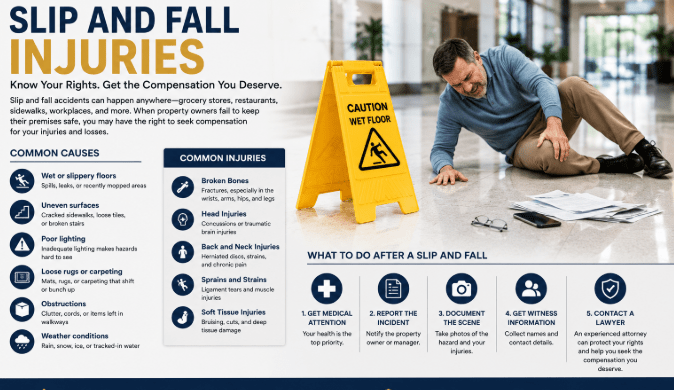
Slip and Fall Injuries
Slip and Fall Injuries: Causes, Compensation, and Your Legal Rights…
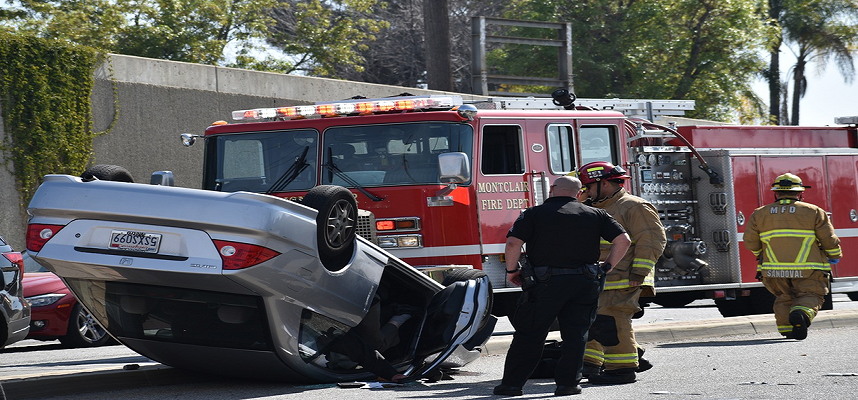
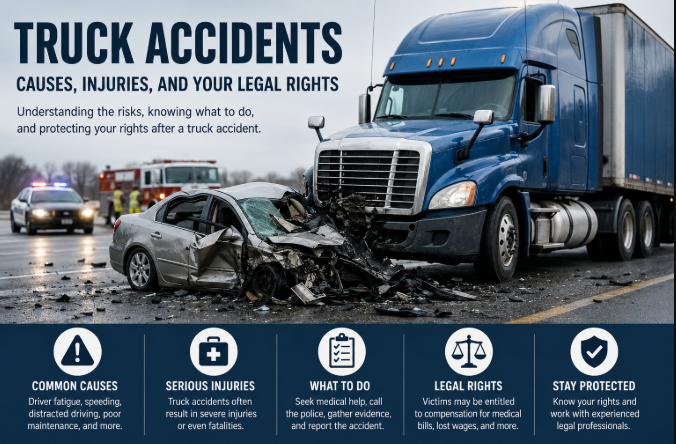
Truck Accidents
Truck Accidents: Understanding the Causes, Consequences, and Legal Considerations Truck…